By Catherine Martinez
Let’s celebrate! Smart Women Smart Money Magazine is celebrating its 5th anniversary of teaching women that it’s “never too early, never too late” to get their finances in order.
In the past five years, the magazine has tackled various financial education topics and shared the stories of female entrepreneurs, leaders, and business owners. Here’s the best part—we’re just getting started.

The Launch of the Magazine
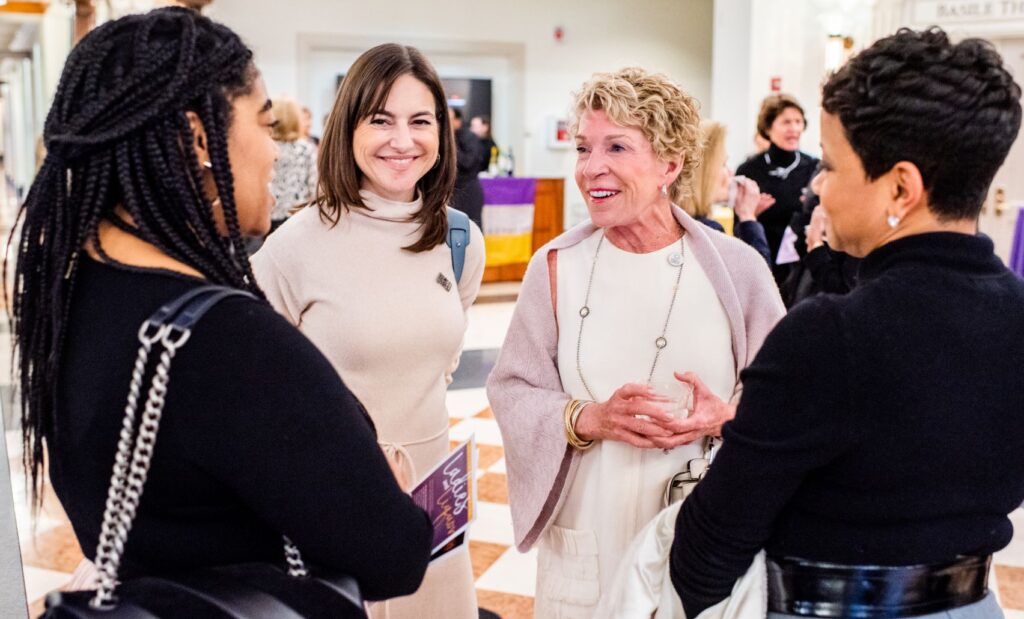
Smart Women Smart Money was founded as a nonprofit organization that hosted conferences to teach women from all walks of life how to manage their money with confidence. Thousands of women were equipped with financial skills. The conference experience was free, meaning every woman could participate, no matter her financial situation.
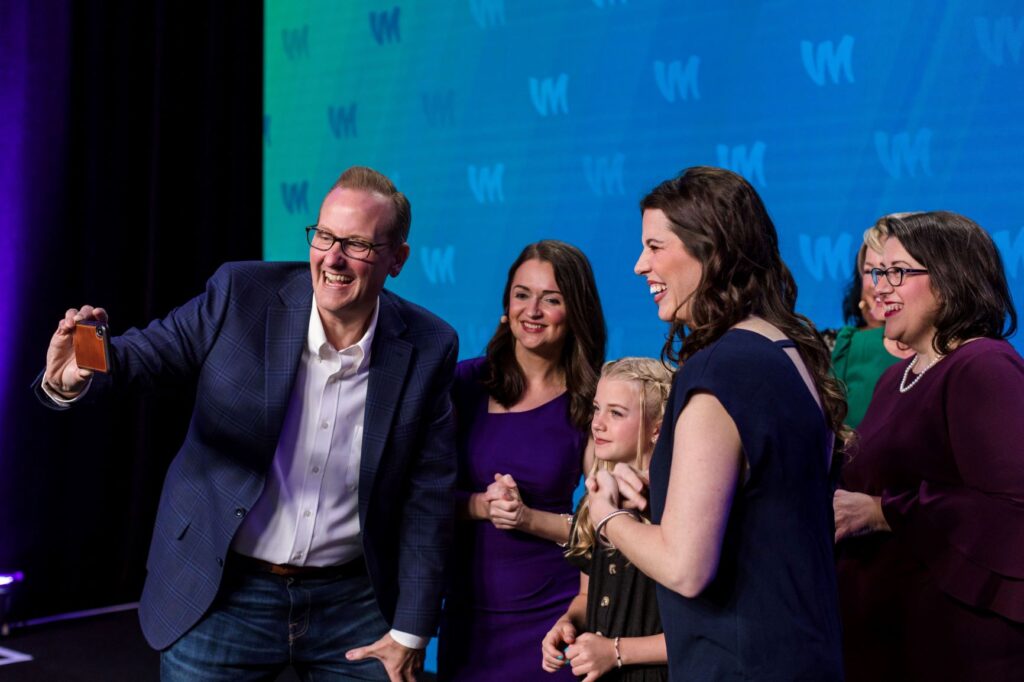
In 2018, SWSM became the sister organization to the State Financial Officers Foundation, and the leadership shifted from Ron Crane to Derek and Melanie Kreifels. The Kreifels began to expand the reach of the conferences to more states, increasing the number of women who could gain improved financial literacy.
But it wasn’t long before the world faced a major speedbump—COVID-19. It became clear that the conference model would no longer be an effective means of carrying out the organization’s mission, since in-person events were nearly impossible to pull off.
During a conversation with a friend in the publishing business, a new thought occurred to Derek. “Why don’t we just start a magazine?” he asked Melanie. In that moment, Smart Women Smart Money Magazine was born, with Melanie assuming the role of Editor-in-Chief.
The magazine still provided financial education, but this time it showed up in women’s mailboxes. Just like the conferences, it was created to be a free resource, giving all women access to financial education and support without a traditional subscription fee.
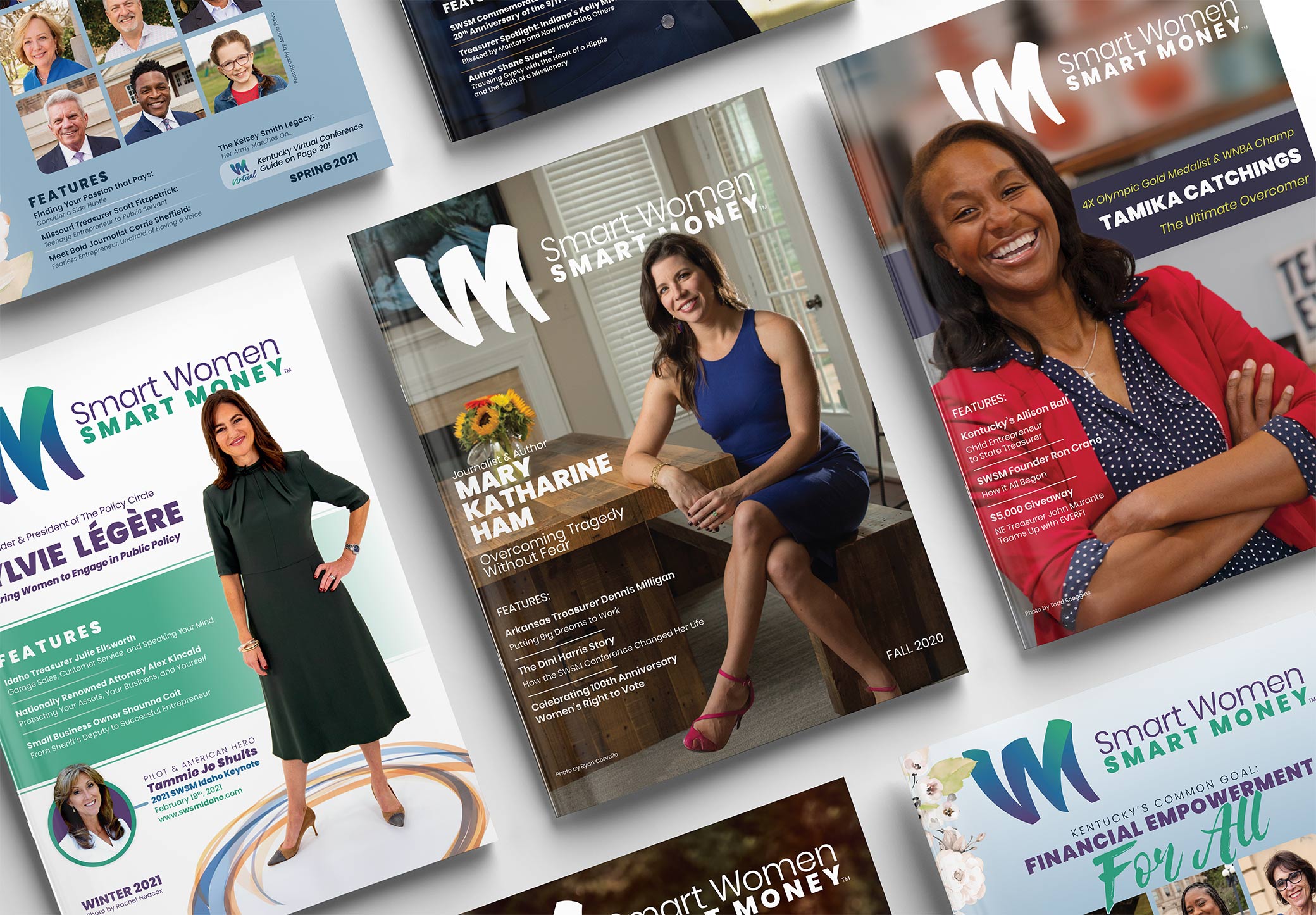
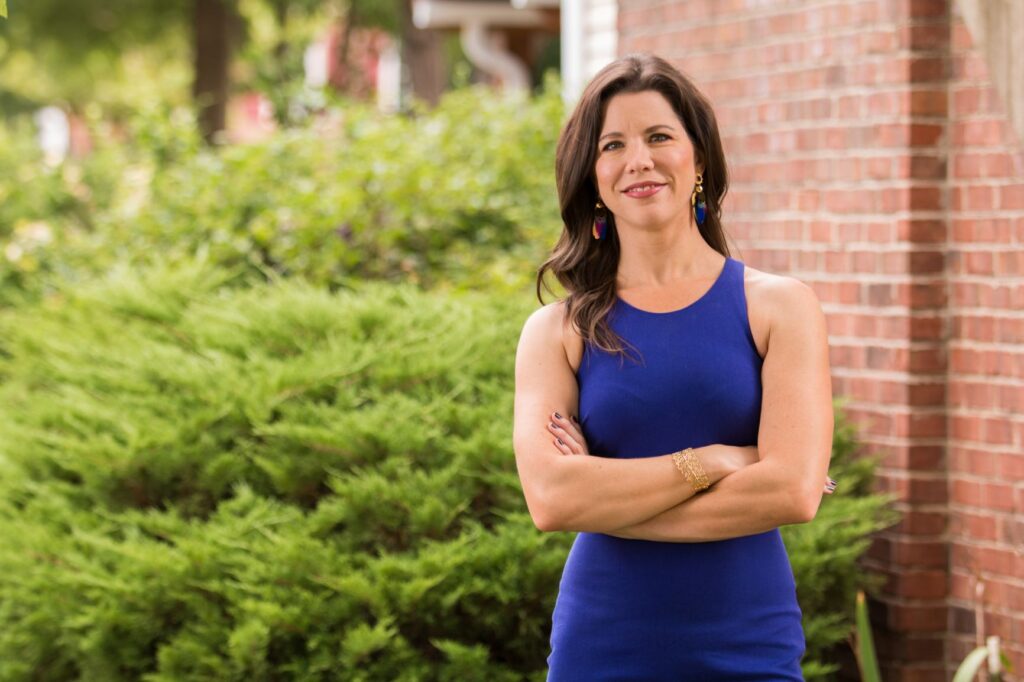
Smart Women Smart Money Magazine kicked off its first issue with a feature article on WNBA star and entrepreneur Tamika Catchings, and its second issue by highlighting political commentator Mary Katharine Ham and the financial implications of becoming a young widow.


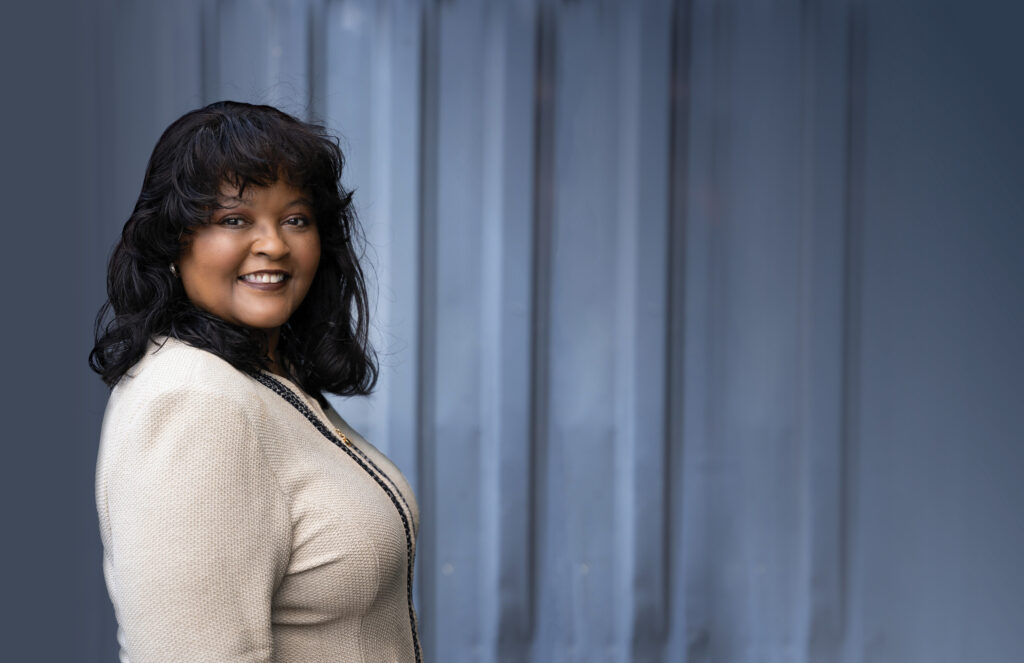

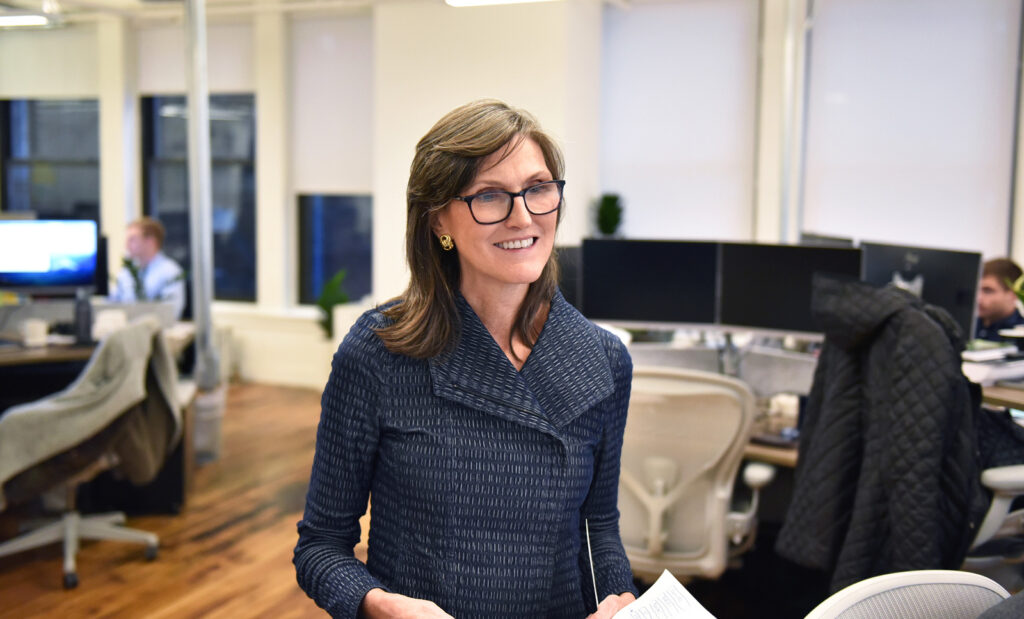
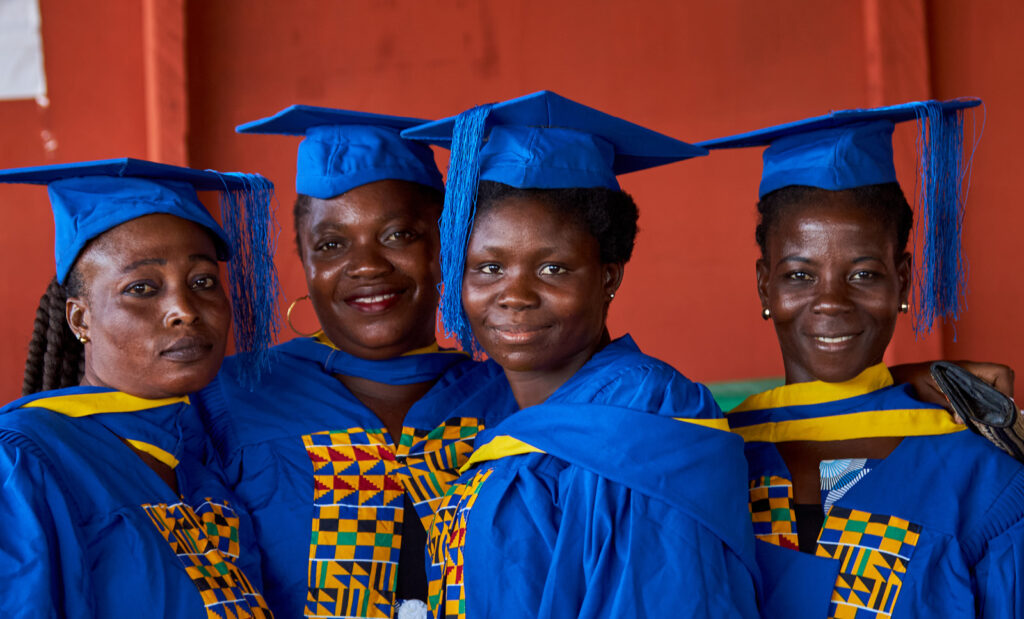
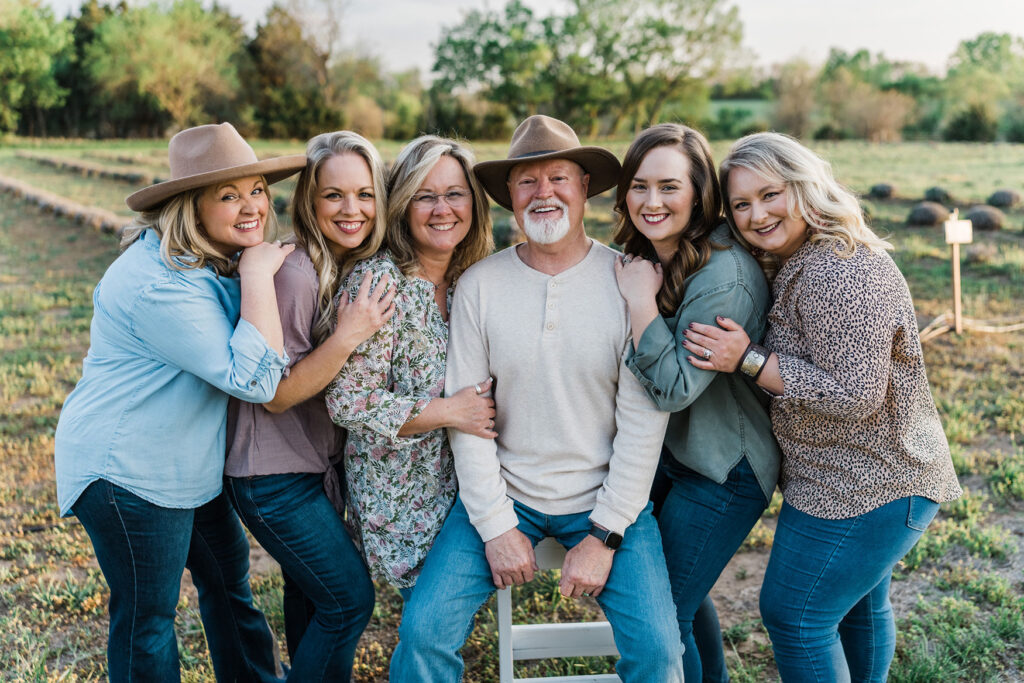

The digital version of the magazine was also launched, initially serving as an additional channel to feature articles from the print version. It wasn’t long before the website included its own unique articles, and in 2021, the magazine eventually became an entirely online resource, still delivering the inspiring stories and educational articles that were a staple of the print version.
“Everything from budgeting, to how to start a business, to how to save money at back-to-school time. Those have translated well to real-life practical applications that are relevant to any woman,” Derek said. “I think that’s the thing that sets this magazine apart is showing that anybody can be smart with their finances. Anybody can learn how to start a business. Anybody, given the proper instruction, inspiration, et cetera, can get out of college student loan debt. Anybody can start that home ownership empire where they own 20 rental properties and flip them or learn how to rent them out.”
The idea is to make complicated financial topics understandable and practical—especially to working-class women who are often overlooked by other publications.
“I think that the underdog, or people maybe who have had to work a little harder for something, we’re not forgetting those women,” said Melanie. “We can foster some of that nurturing and just welcoming and including others into a conversation that a lot are left out of. It doesn’t cost me anything to be generous with information or relationships. And I think that’s part of what we really nurture, at Smart Women Smart Money, and each of our writers works from that angle. No one’s trying to trip somebody else up or exclude them. As women, we’re not in competition. We want everybody to have a voice at the table.”
A Commitment to Free Market Principles
Over the years, the magazine’s voice has evolved to share a more conservative view on issues, especially as it pertains to money, finances, and taxes.
“Over the years, it’s been more important to reveal that a lot of the principles that we talk about, they’re free market principles, they’re self-responsibility principles, they’re principles that are probably right of center, are more fiscally conservative,” said Derek.
This usually comes in the form of covering current events or explaining how policy will impact American households. Examples include editorials like “How Election Results Impact Your Pocketbook” or a breakdown of the first 100 days of the second Trump administration.
A Personal Reflection
As a writer for Smart Women Smart Money for the past five years, I’m thankful for the opportunity to watch the magazine grow into what it is today. I’ve heard wonderful stories from mothers, entrepreneurs, business executives, nonprofit leaders, and educators that have inspired me to try new things and think outside the box.
Often, it’s a story that provides people with a roadmap to achieve their financial dreams. I hope that sharing these stories gives other women the confidence to pursue their goals, whether it’s breaking free from poverty, raising a family on a budget, becoming a statewide elected official, running a family business, or launching a charity that positively impacts lives.
The future is bright—the team at Smart Women Smart Money is excited to jump into the next five years with creative new ideas. As we grow, the goal will always remain the same—to empower women of all ages to manage their finances with excellence.
Do you have a story idea for the writing team, or do you have an interest in writing articles yourself? We would love to hear your voice at the Smart Women Smart Money table. We’re here to cheer each other on!
Send your ideas to contact@swsmmagazine.com.
ABOUT THE AUTHOR
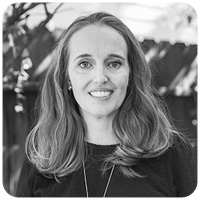
Catherine is a full-time copywriter for a nonprofit organization and a freelance writer. She spends her days writing, chasing toddlers and learning how to master her money. Catherine lives in Houston, Texas, with her husband and their two young children.