By Jamie Oleka
Presidential elections capture our nation’s attention, but some of the most consequential decisions for our future happen when the presidency isn’t on the ballot. This November, Americans will head to the polls for the 2026 midterm elections, determining who controls Congress for the remaining two years of President Trump’s term. These elections may receive less attention, but their consequences reach our homes, schools, and communities.
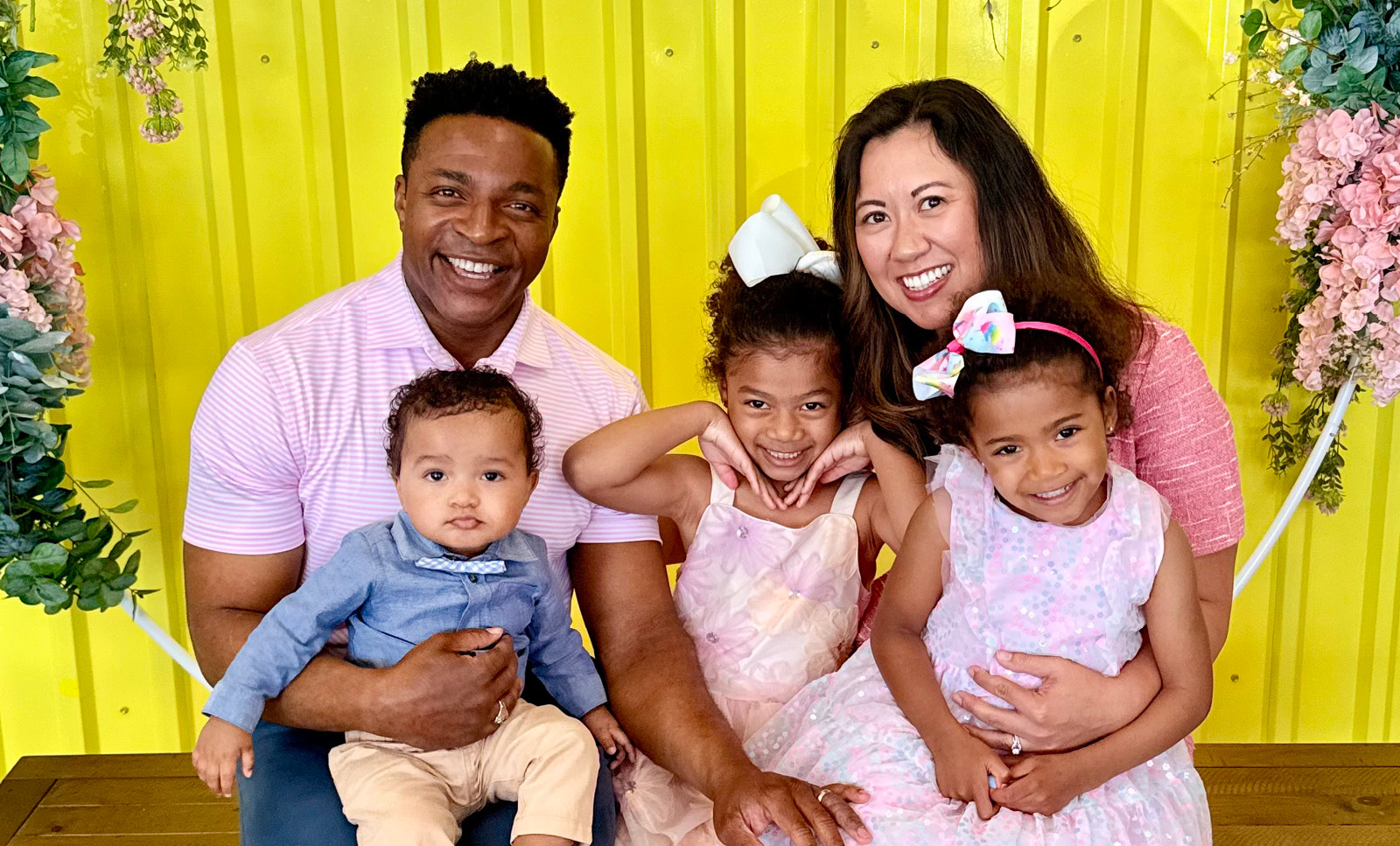
As a mother of three young children, with our fourth on the way, I think about elections differently than I did years ago. Our days are filled with school drop-offs, grocery runs, bedtime routines, and the never-ending responsibilities of raising a family. Yet between packing lunches and answering questions from curious little minds, I think about the kind of America my children will inherit. And lately, those questions feel especially important.

The Economy Begins at Home
For many families, economic uncertainty is more than a headline. It’s the grocery receipt, the cost of filling the gas tank, and the challenge of stretching a paycheck while saving for the future.
In my 2024 article, I explored how elections impact our pocketbooks. Two years later, affordability remains a priority. Families are paying attention to taxes, housing costs, inflation, and job opportunities. Behind every economic statistic is a household making difficult decisions. When evaluating candidates, I want to understand not only what they’re promising families, but how they plan to pay for those promises. Fiscal responsibility, economic opportunity, and the long-term consequences of government spending are important considerations in how I vote. After all, today’s financial decisions will affect the opportunities available to our children tomorrow.
Education, Parental Responsibility, and the Next Generation
As a former educator and now a mother of school-aged children, few issues feel more personal than education. When I send my children to school, I want them challenged academically, encouraged to think critically, and supported as they develop their character. I also believe parents have an essential responsibility in guiding their children’s education.
Debates surrounding school choice, parental involvement, curriculum, and educational funding continue nationwide. While many decisions occur at state and local levels, federal leadership influences education priorities. Having worked in education, I pay close attention to candidates’ positions on academic excellence, parental involvement, and families’ ability to choose educational environments that meet their children’s needs. These aren’t simply policy preferences to me. They’re considerations rooted in my experience as both an educator and a parent.
Safety, Security, and the Freedoms We Inherit
Beyond finances and education, voters are considering difficult questions about immigration, national security, healthcare, and America’s role in an uncertain world. Behind these debates are questions families understand: How do we protect our communities? How do we uphold the rule of law while respecting human dignity? How do we ensure quality healthcare remains accessible and affordable?
I also think about freedoms we sometimes take for granted: the freedom to worship, speak openly, raise our children according to our convictions, and participate in our democracy. When deciding how to vote, I examine candidates’ records and proposals on constitutional freedoms, national security, immigration, and public safety. I want to understand how their policies would protect our communities while respecting the principles and liberties our country was founded upon.
More Than a Political Moment
Motherhood has taught me that children notice far more than we realize. They listen to our conversations, watch how we treat others, and learn what we value through everyday decisions. I want my children to understand that participating in civic life is both a privilege and a responsibility. Women before us worked tirelessly to secure the right to vote, and countless people worldwide still lack freedoms we enjoy.
My vote isn’t based on a single campaign slogan or personality. I consider candidates’ records, character, policy priorities, and whether their leadership reflects the future I hope to help build for my children. No candidate or party will perfectly represent everything I believe, making thoughtful evaluation all the more important. The midterm elections aren’t simply about which political party gains or loses seats. They’re about the decisions that will shape our economy, our national priorities, and the opportunities available to the next generation.
When I look around our dinner table at the three little faces depending on us, I’m reminded that the future isn’t some distant idea. It’s sitting right in front of me.
ABOUT THE AUTHOR
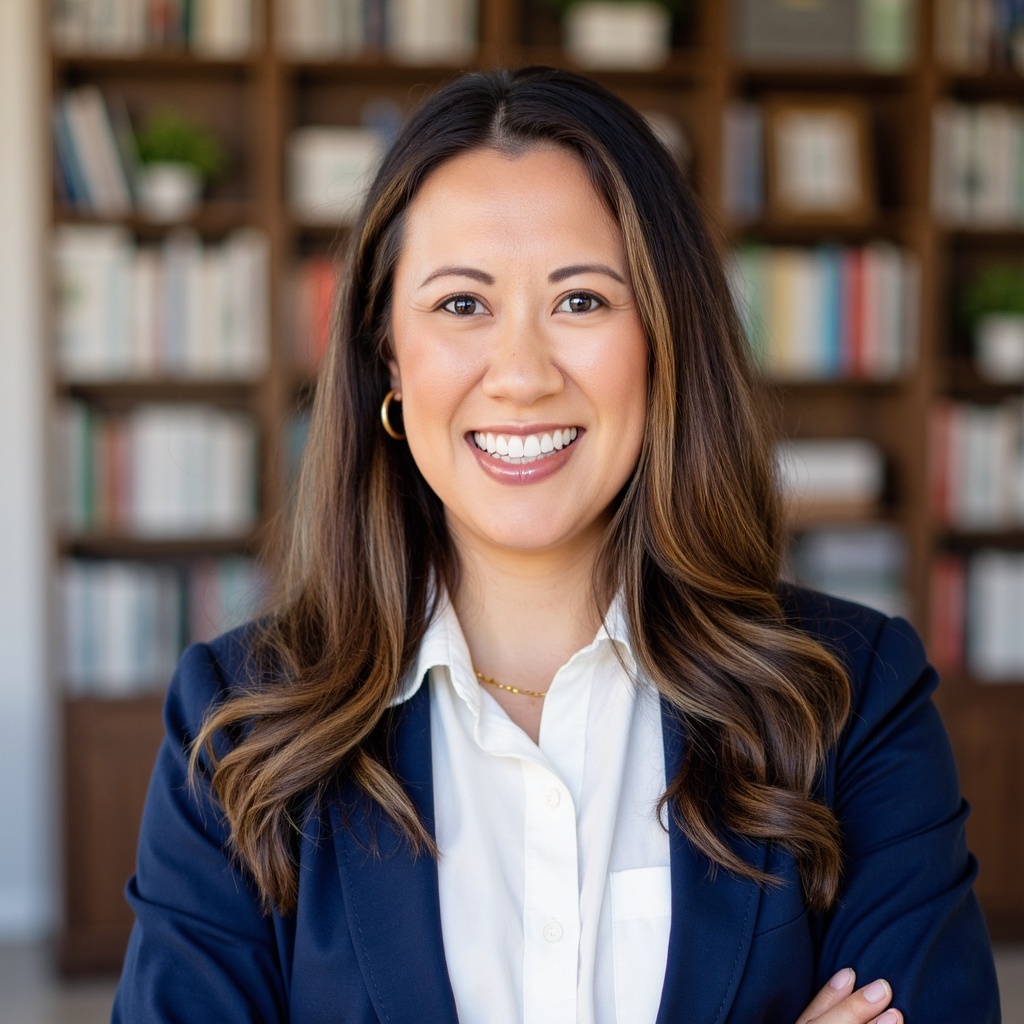
Jamie Oleka, a wife, mom, and a passionate advocate for debt free quality education, has extensive experience in K-12 and nonprofit management having most recently served as a Managing Director at Teach For America. Jamie holds a Masters of Education in Instructional Accommodations from Francis Marion University, Masters of Arts in Teaching, and Ed.S. in K-12 Administration from the University of Louisville.