
By Jamie Oleka
The 1990s and early 2000s marked a defining era for American women and families. It was a time of dial-up internet, AOL, computer labs, and the early beginnings of a digital world that would eventually transform nearly every part of daily life. At the same time, women were experiencing another kind of transformation: greater freedom to define their roles within the family, the workplace, and society.
Family Responsibilities Aligned with Needs vs Roles
Two-income households had become a normal part of American life. More women were earning college degrees, pursuing professional careers, contributing significantly to household income, and participating in financial decisions. At the same time, families were becoming more flexible about who handled responsibilities at home.

Some mothers stayed home. Others worked full time. Some fathers became the parent who handled school pickup, appointments, or daily childcare. Stay-at-home dads, while still less common, became increasingly visible. Families were beginning to shape their lives around what worked best for them rather than one prescribed model.
I saw some of that flexibility growing up. My mother worked as a nurse, often on night shift, while my father owned his own business and had a more flexible schedule. He was usually the parent taking us to school and picking us up.
My mother had stayed home with my siblings and me when we were young and returned to work after all three of us were in elementary school. Even after returning to her career, though, she continued to cook and shoulder much of the responsibility for our household.
Her experience reflected something many women of that generation knew well: new opportunities did not necessarily mean old responsibilities disappeared.
Having it All
For girls growing up during this period, the message was often one of enormous possibility. Go to college. Build a career. Get married. Raise a family. Be financially independent. And somehow, do it all. There was real empowerment in that message.
American women had access to educational, financial, and professional opportunities that women in previous generations and in many parts of the world had not always been able to access. A woman could pursue higher education, earn her own income, start a business, own property, build retirement savings, and make meaningful choices about the direction of her life.
Those freedoms are easy to take for granted when they are all we have known. They are also part of the unique privilege of being an American woman.
The United States has not always offered women equal access to every opportunity, and barriers did not disappear overnight. Still, by the 1990s and early 2000s, many girls were growing up believing that education, career, marriage, motherhood, or some combination of those things could all be within reach.
The Internet’s Impact on Daily Lives
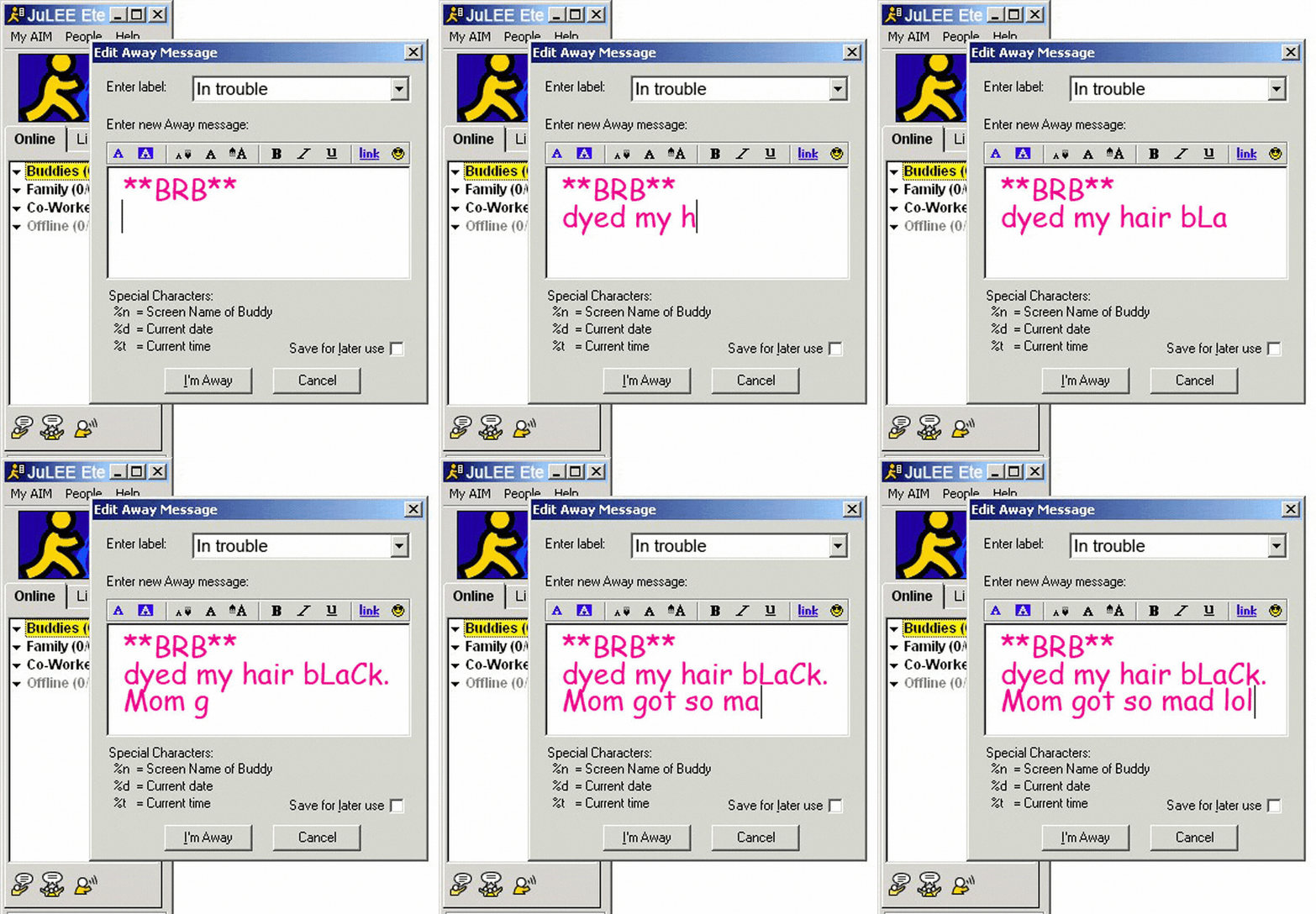
The internet expanded those possibilities even further. At first, it was mostly a new way to communicate. Families waited through the familiar sound of dial-up internet, teenagers chatted with friends on AOL or MSN Messenger, and students learned computer skills at school.
But the internet would soon change the way women worked, managed money, pursued education, shopped, built businesses, and connected with others. It opened doors that previous generations could hardly have imagined.
Yet with Opportunity Came Pressure
The freedom to pursue many paths sometimes became an expectation that women should pursue all of them successfully at once: career, financial security, marriage, motherhood, a well-managed home, and personal fulfillment.
That tension continues today. The lesson may be that true freedom is not simply having the opportunity to work or achieve more. It is having the ability to choose what is right for each season of life.
For one woman, that may mean pursuing an ambitious career. For another, it may mean stepping away from full-time work while her children are young. For another, it may mean entrepreneurship, part-time work, or moving between roles over time.
Financial Wisdom Helps Make Those Choices Possible
Saving, budgeting, avoiding unnecessary debt, and planning for the future do more than strengthen a bank account. They create options. They can allow a family to live on one income for a season, change careers, start a business, or prioritize more time at home.
The women who came of age in the 1990s and early 2000s inherited something remarkable: more choices than many generations before them. Perhaps the greatest privilege of being an American woman is not that we are expected to do everything. It is that we have the freedom to decide what a meaningful life looks like, and the opportunity to build it.
ABOUT THE AUTHOR
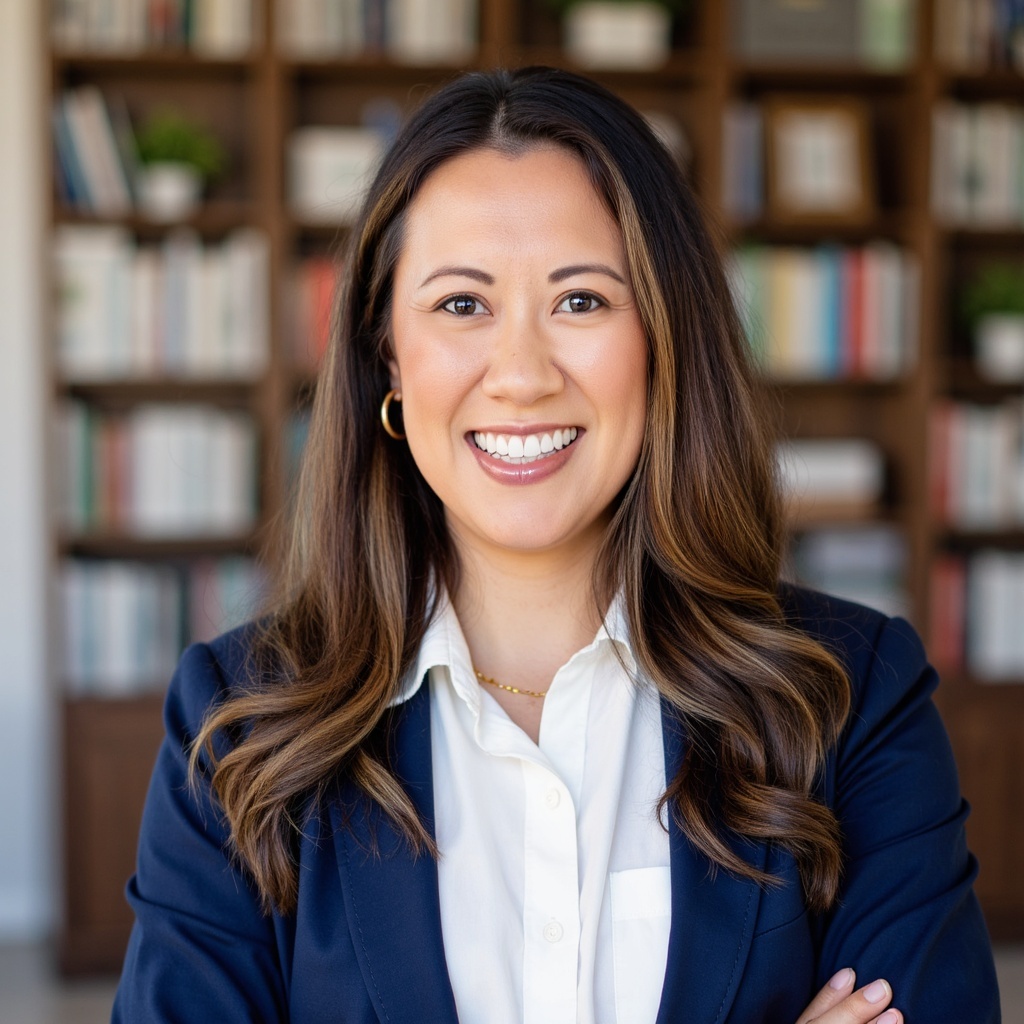
Jamie Oleka, a wife, mom, and a passionate advocate for debt free quality education, has extensive experience in K-12 and nonprofit management having most recently served as a Managing Director at Teach For America. Jamie holds a Masters of Education in Instructional Accommodations from Francis Marion University, Masters of Arts in Teaching, and Ed.S. in K-12 Administration from the University of Louisville.