By Shane Svorec
Before thrift stores, there were “salvage brigades.” From the basement of a men’s shelter, The Salvation Army launched a program in which residents pushed carts through neighborhoods, collecting used clothing for people in need in exchange for room and board. In the late nineteenth century, the first charitable organization to formally collect used clothing for others was established.
The Evolution of Thrift Culture
Not long after, Goodwill Industries was founded in 1902, and a blueprint for reselling used goods was created that provided jobs for the impoverished, affordable goods for immigrants, and funds to support community needs. Fast forward to the Great Depression, and what had started as a mission to collect clothing for the poor had evolved into “family thrift” stores that continued to support humanitarian missions while becoming affordable shopping options for the masses.

Today, we live in a more disposable world. We get tired of, grow out of, or simply no longer want something, and it ends up in the trash. Fortunately, efforts to reduce, recycle, and reuse have increased donations and boosted the popularity of thrift stores. But thrift stores weren’t always popular, and they certainly weren’t trendy.
From Necessity to Choice
Growing up on the road, we were forced to part with many things. We often lived in small spaces, so our possessions were minimal. Money was tight, and shopping was always on a budget. As a little girl, I dreaded walking into a thrift store, afraid someone might recognize me. Stigmas surrounding thrifting can signal shame, invite unwelcome attention that often turns into childhood bullying and adult insecurity about not buying new or, worse, being seen as poor. This mentality goes against every principle for which these very stores were created. For nonprofit thrift stores, their missions are rooted in lifting communities, preserving goods, and providing a place where everyone is welcome to obtain the items they need.
Today, I love visiting thrift stores. Every visit feels like an opportunity to piece together parts of my childhood. While many family attics or basements are filled with mementos to revisit, I often imagine finding something I had to part with when I was younger on a shelf. There, you discover unusual finds, take a step back in time, or get a peek into someone else’s story.
I’ve found family pictures with names and dates on the back and felt the sadness that comes from memories so easily (or mistakenly) tossed away. I’ve found military uniforms adorned with pins and patches of honor and imagined those who wore them, pausing to thank these unknown soldiers who served our country and helped secure our freedom. I’ve admired handmade quilts, beloved dishes that once brought families together for meals, and holiday keepsakes that were no longer kept.
Passing It Down
As a writer and storyteller, I feel both excited and overwhelmed when visiting a thrift store, yet I’m always emotionally invested. I find glimpses of my grandmother, memories of my travels, nostalgic reminders of simpler, happier times, and even signs from above as I wander through these “junk” stores.
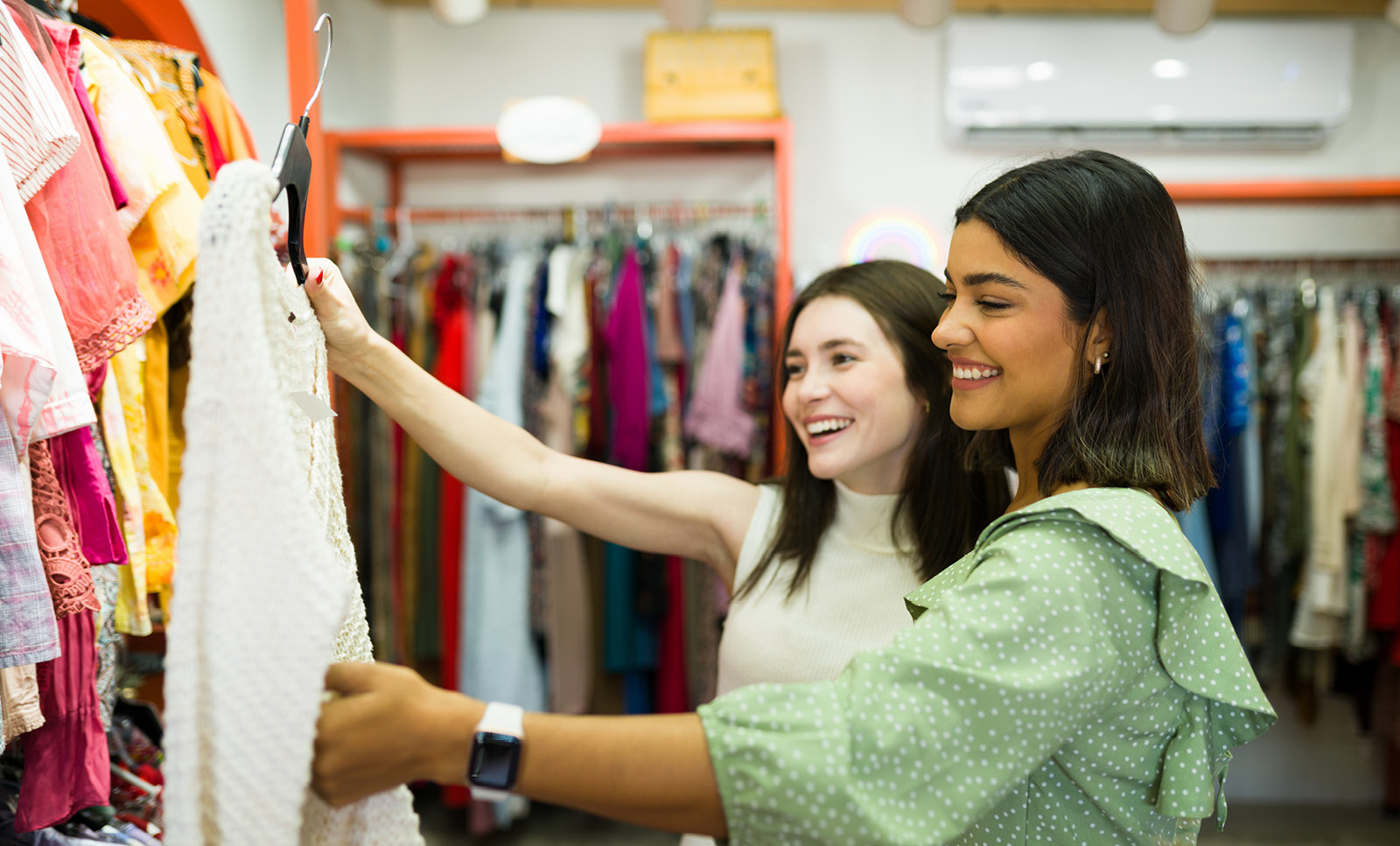
If you’ve never been to a thrift store, I would encourage you to visit one. Like the stores themselves, shoppers are a mixed group, including people on a budget, those looking for pieces to recreate, redesign, or resell, and those simply curious. There is an unspoken humility and a sense of compassion when you are united in the search for something.
Now, don’t get me wrong, I shop at popular department stores, but the difference is that everything in a thrift store has a story, a history, and a life before you choose it. You’re not presented with racks of the same item in different sizes or nine different colors; instead, you’ll find a mix of items that vary in age, quality, and price. You’re not looking through a carefully curated section of mass-produced items but through an entire store of inventory spanning generations of styles and materials, many of which you can’t find anymore.
I have complemented many a room, adorned walls, and added special touches to spaces with thrifted pieces that brought love and nostalgia to my home. I have found purpose in old-fashioned kitchen items, outfitted myself for a job interview, and picked up articles of clothing that have drawn more compliments than all my high-end department store pieces combined. I’ve considered myself lucky when I found an antique Christmas piece that brought me back to my childhood and made my heart burst with happiness. I could never duplicate that feeling by buying something new.
After a good cleaning, you can almost feel secondhand pieces come to life again when they receive new appreciation. Even greater is the feeling of knowing you’ve saved something from a landfill. Whether you’re looking to save money, support a good cause, or be kind to the environment, thrift stores hold treasures, deliver smiles, and offer a blank slate for individual creativity and expression while supporting humanitarian initiatives. This is the treasure of thrifting.

ABOUT THE AUTHOR
Shane Svorec is a sales and marketing professional who followed her lifelong passion for writing, published her first book, and became an award-winning author. Her works include Broken Little Believer: Finding Purpose in All the Pretty Painful Pieces, The Busy Bridge That Got Its Break, and Acorn Adventures. An inspiring writer who captivates readers with vivid storytelling, uplifting messages, and a positive outlook, she finds peace in an old farmhouse she shares with her husband in the Adirondacks. Shane, also known as The Look Up Girl, loves nature and enjoys adventures with her family, which includes her three children and rescue pets.