
By Jordan Jantz
Fraud—that’s the word emblazoned in headlines across America today. For years, Americans have suspected that their tax dollars were being not only frivolously spent but also fraudulently spent, and now the proof is coming in. But true fraud is only part of the story.
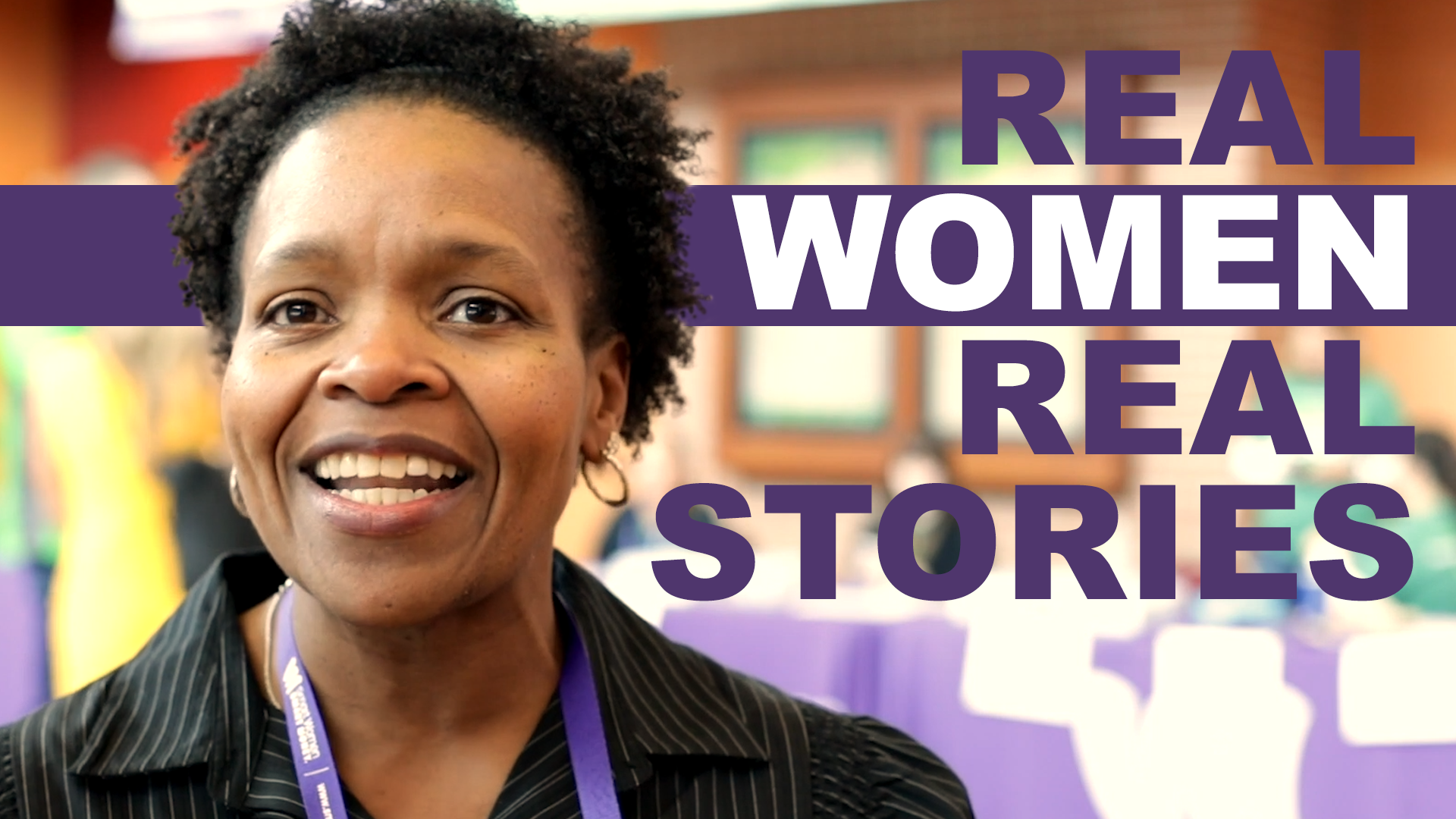
Utah State Auditor Tina M. Cannon is up against a $300 million Medicaid abuse machine in her state, and that’s just in one county of fewer than 8,000 people.

How Does Legal ‘Fraud’ Work?
As Auditor Cannon explained to Smart Woman Smart Money in an interview, this abuse isn’t fraud as many Americans think of it. It’s not done in a major city by criminals walking away with bags of money. In fact, it may not even legally qualify as fraud—because it’s done through a legal loophole.
Medicaid is a federal program administered by individual states, so states get some say in how the dollars are allocated within their jurisdictions. In Utah, as Auditor Cannon explained, typical Medicaid spending is split 1-3% on administration fees with the rest going to patients’ care. However, there’s no legal upper limit for this percentage, so individual facilities’ spending percentages may vary.
The current fight against potential mismanagement she’s spearheading involves a network of facilities spending 51% of their Medicaid dollars on administrative expenses. Over time, this network of facilities has grown, and Auditor Cannon said that the network has been developed into public-private hybrids to take advantage of the system and in a structure that the state never intended for these programs.
Where Does the Money Go?
While Auditor Cannon can’t say for certain where those dollars are going, she pointed to news reports on the area in question: “You can see a $30 million facility added as a recreation facility that included a lazy river, an Olympic-sized pool… pickleball courts, basketball courts… in a very rural, small community.”
Part of that money is also going to private partners with these facilities and their owners, she said.
“Every dollar that was taken for an administrative fee is money that didn’t reach the care of the patients,” Auditor Cannon explained.
Because of the scope of this mismanagement, Auditor Cannon added that the federal government is also investigating the case, with their eye on how these federal tax dollars have been managed.
Can We End Fraud for Good?
Auditor Cannon said that most fraud investigations start because of a concerned citizen blowing the whistle on something happening at their company or in their community. This means that auditors like her must individually chase down mismanagement cases and, if she discovers wrongdoing or fraud, attempt to claw back funds retroactively.
“People are smart; unfortunately, sometimes they use that intelligence for nefarious purposes,” Auditor Cannon said. “That’s the goal of proper oversight… to minimize all of the ways that you can cheat or take advantage of a loophole or just defraud the system entirely.”
However, Auditor Cannon said that there are new “continuous audit” technologies emerging in the private sector that could help the public sector monitor spending in real time. As financial records and medical billing have gone digital and as artificial intelligence has developed, she explained there are tools that can track spending to spot anomalous behavior and ensure billing traces back to a real-life patient. This would allow auditors to stop fraud in real time.
Auditor Cannon added that she once didn’t believe that eliminating “waste, fraud, and abuse” could balance the federal budget. Now that she’s worked in government and seen the problem up close, she said she’s changed her mind.
Indeed, for hard-working Americans who are the victims of this financial waste, the sheer scale of the numbers now exposed is horrifying. But for those same Americans, revealing the numbers is also an important step to getting the country back on the right track, prosecuting fraudsters, and closing loopholes.
As for Auditor Cannon, she strongly encouraged the state of Utah to reform its Medicaid system to close the loopholes that allowed for this wasteful spending. In the meantime, she’s still hard at work exposing waste, mismanagement, and fraud.

ABOUT THE AUTHOR
Jordan Jantz is a freelance writer, editor, and website designer as well as the assistant editor at IW Features. Her work has spanned the nonprofit, small business, and scholarly worlds, but most of all, she is passionate about uplifting the message of hope and freedom. Find her at jantzwriting.com.