By Maggie Murphy
As we head into March, which is National Reading Month, this can be a wonderful creative outlet for children. My children shared boundless energy in their early years. In particular, my sons (born 16 months apart) could build a challenging energy to guide and focus. Often, they could be nudged into creative and memorable sessions, constructing giant geodesic domes out of rolled-up newspapers in the living room or working through that energy into productive, athletic drilling sessions with their father on the “wrestling rug.” Building a lifelong reading habit amid such energy requires a plan. Here are a few helpful tips:
1. Start early
Children should physically hold books and hear stories each day. Books also serve a helpful role in bedtime routines to wind down at the end of a busy day. Parents, use this time wisely by making bedtime your ally. On those evenings where sleep becomes elusive, offer “just one more” story. An extra five to ten minutes of reading from time to time adds up quickly.

2. Keep the experience positive
They might only sit through part of the story. Young readers can decorate a large, colorful bookmark and mark the page for a future reading session. We also used to attend free community music concerts. At first, my children often needed to leave by intermission, or “halftime.” Those early years often felt like a march from one unfinished activity or project to another, but these frequent segues were filled with meaningful, educational activities.
3. Plan bookstore adventures
At the beginning of the summer, we budgeted for a shopping trip where the kids could enjoy a snack and pick out a book for summer reading. Starting around 4th grade, we incorporated this experience into a summer bridge adventure.
4. Listen to the audiobook before watching the movie.
We used to check out the Harry Potter CDs from the library, listen to them on longer road trips, and then go see the movie. Enjoying both the book and the movie can lead to some fantastic conversations. Which scenes were missing from the movie? Did they prefer the book or the movie?
5. Decorate with books for curious minds to explore
Every March, scattered around our home were stories of leprechauns, St. Patrick, and tales of Celtic heroines like Brave Margaret. Each season and holiday presented a new opportunity to share more stories. Memorable adventures often began with the discovery of the perfect book, enjoyed in the most comfortable chair in the house.
6. Create a special reading space
A reading nook creates a welcoming environment, inspires creativity, and offers a fun alternative to screen time. Parents can take this a step further by constructing a tent or reading fort (don’t forget the flashlight). This secluded space creates an added barrier from other distractions in the home.
7. Find an audience
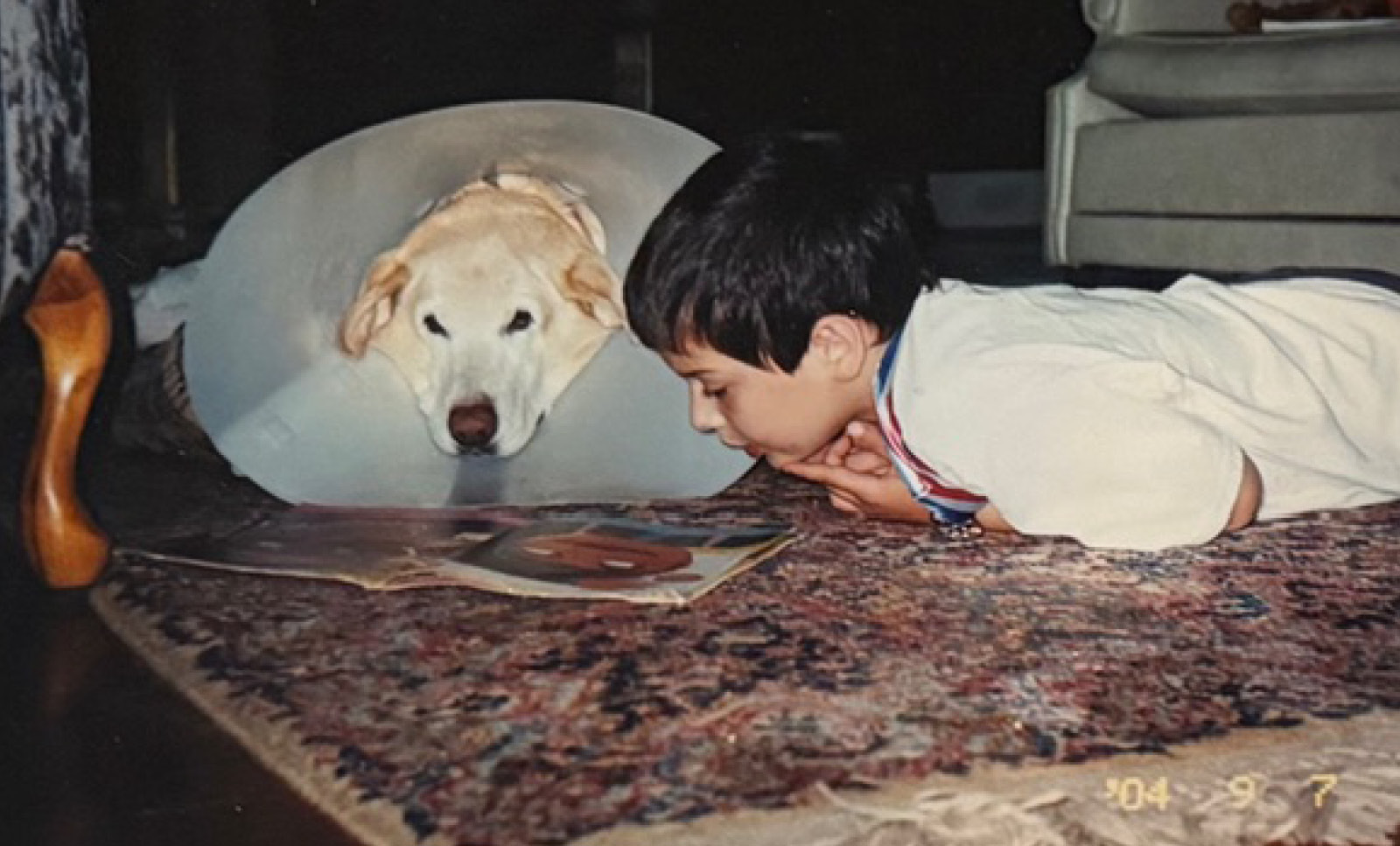
Children build confidence by reading books to others. Grandparents, neighbors, and even the family pet make an attentive audience.
8. Share your favorite stories
Growing up in a family of history majors, I fondly remember many evenings hearing about memorable moments in history. One of my favorites was the story of President Theodore Roosevelt and the Perdicaris incident. Later, my mother shared the 1959 American Heritage article, Perdicaris Alive or Raisuli Dead!, and family movie night included John Milius’ historically inaccurate but spectacular movie, The Wind and the Lion.
Encouraging young readers often feels like an uphill battle with so many distractions on social media, television, and more. However, developing a lifelong reading habit offers countless benefits, including reducing stress and improving memory! Strong reading habits provide an academic edge, a powerful tool to search for answers to life’s challenges, a healthy hobby that doesn’t involve screen time, and most importantly, a gift of a world of imagination at your children’s fingertips.

ABOUT THE AUTHOR
Maggie Murphy is a lifelong Michigander and graduate of Hillsdale College. She is an enthusiastic educator with 29 years’ experience helping community college students reach their academic and career goals. Maggie is also the author of the children’s book, Sara Dippity, and can often be found performing Irish, Scottish, and Americana folk music and running a small farm with her husband.