By Elizabeth Webb
“Grandma hobbies” have been taking social media by storm over the last year. Younger people are becoming interested in things that were the norm for their grandparents and previous generations. While gardening and food preservation are still commonplace in rural areas, it’s growing in popularity with people leaving urban areas to start “homesteads.” My family loves to spend time together in the garden, and my kids take pride in growing their own food and helping preserve it for winter, too.
Tools of the trade

Some might think that the expense of a garden and the equipment it takes to preserve food isn’t worth it, but there are ways to make it more affordable. Pressure canners are the biggest expense when it comes to canning; however, good canners last a long time (my mom and I use one that belonged to my grandma) and can be purchased used. Just make sure you take it somewhere to be inspected before use; our county extension office does this for us every year. Jars can also be bought second-hand and reused year to year; just inspect them for cracks before use. The rings that hold the lids, or flats, can also be reused. A hot water bath canner can be purchased, or you can use your pressure canner and just not pressurize it, so leave the lid cracked a little and don’t lock it down. You’ll also need flats, a funnel, and a jar lifter.
Tips on Getting Started
Knowing what things have to be pressure canned and what things can be processed in a hot water bath can honestly be the difference between life and death. Things that aren’t processed correctly can cause botulism and other food-borne illnesses, but as long as you follow the directions you use in whatever recipe you’re using, you have nothing to worry about! Fruits and vegetables with higher acidity levels, such as tomatoes, can be preserved in a hot water bath. Other items, such as carrots, beans, and corn, need to be processed in a pressure canner. There are several books available on canning, and the Ball Mason Jar website has a great canning 101 page.
Canning favorites and making memories
When we’re deciding what to plant in the garden, we take stock of what we have left over from last year. For example, we had 40+ pints of pickles leftover from last year, so we just planted a couple of cucumber plants to eat fresh. When we do can pickles, we like this mix by Mrs. Wages for dill or sweet pickles. Mixes make canning easier, but there are a ton of recipes online that you can use if you’d rather make it yourself. We can grow green beans almost every year because they’re something that we eat a lot of. I like to can green beans because the process of picking and breaking the beans is good family time. The kids might complain about picking and breaking beans, but it ends up being fun, and a competition to see who breaks the most.
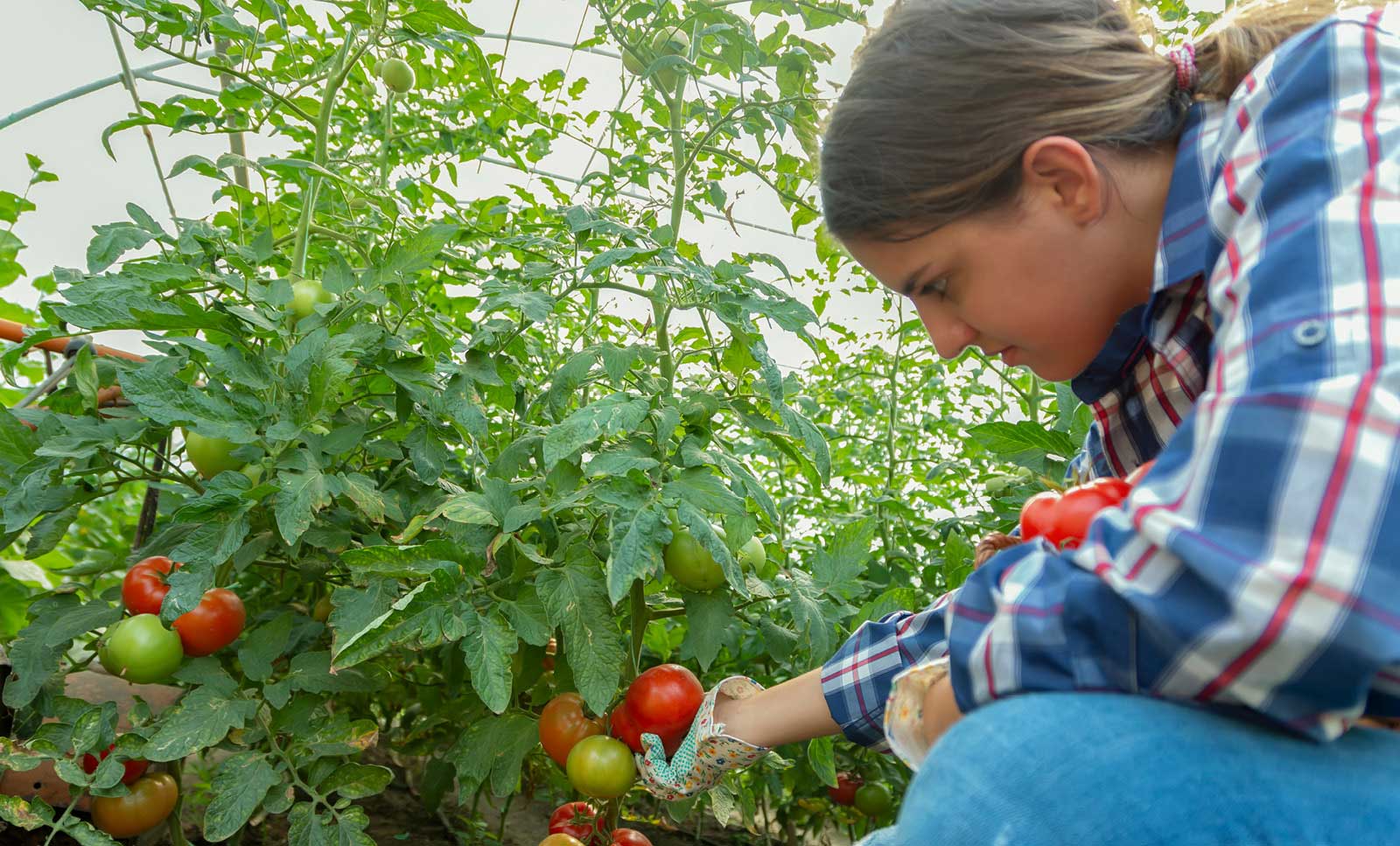
Tomato products take a little bit more work, as most recipes require you to peel the tomatoes. An easy way to do this, though, is to score an x on the bottom of the tomato, place them in boiling water for 30-60 seconds, then put them in ice water to stop the cooking process. After that the skin should peel off easily. Some recipes call for Roma or paste tomatoes as they have fewer seeds, but we’ve used all kinds of tomatoes for tomato sauces, salsa, and ketchup, and they’ve worked just fine. We also like to strain some of the juice off our salsa to use in chili and vegetable soup.
When it comes to sweet corn, we freeze it instead of canning. Some people cook their’s before freezing it, but we’ve always just husked it, silked it, cut it off the cob raw, and put it in freezer baggies, then put it right in the freezer. We lay the bags flat and put pieces of cardboard between each layer of bags, so they don’t freeze together.
You don’t have to grow the produce you preserve if gardening isn’t feasible for you. My fruit trees won’t produce for a couple of more years, so I bought peaches from a local greenhouse to make peach jam and can sliced peaches, and my neighbor has an apple tree that I’ve used to make apple butter.
It’s not realistic for me to preserve everything my family eats, but there is something rewarding about eating what we’ve grown and worked hard to put up and being able to pass these skills down to my children. “You weren’t born in the wrong generation; you were put here to keep the old one alive.” – Unknown

ABOUT THE AUTHOR
Elizabeth Webb is a Registered Nurse turned high school English teacher who loves to encourage other women to embrace the path they’ve been called to. She enjoys spending time with her family, chasing her kids to sporting events, being outdoors, and anything creative. She lives on a farm in the Midwest with her husband, three children, and dogs.