By Naomi Langston
Today, our workforce consists of nearly four generations: Gen Z, Millennials, Gen X, and some remaining Baby Boomers. Each one carries a lot of distinctions! If you’re curious about an overview of each generation, check out Exploring Generations Part 1.
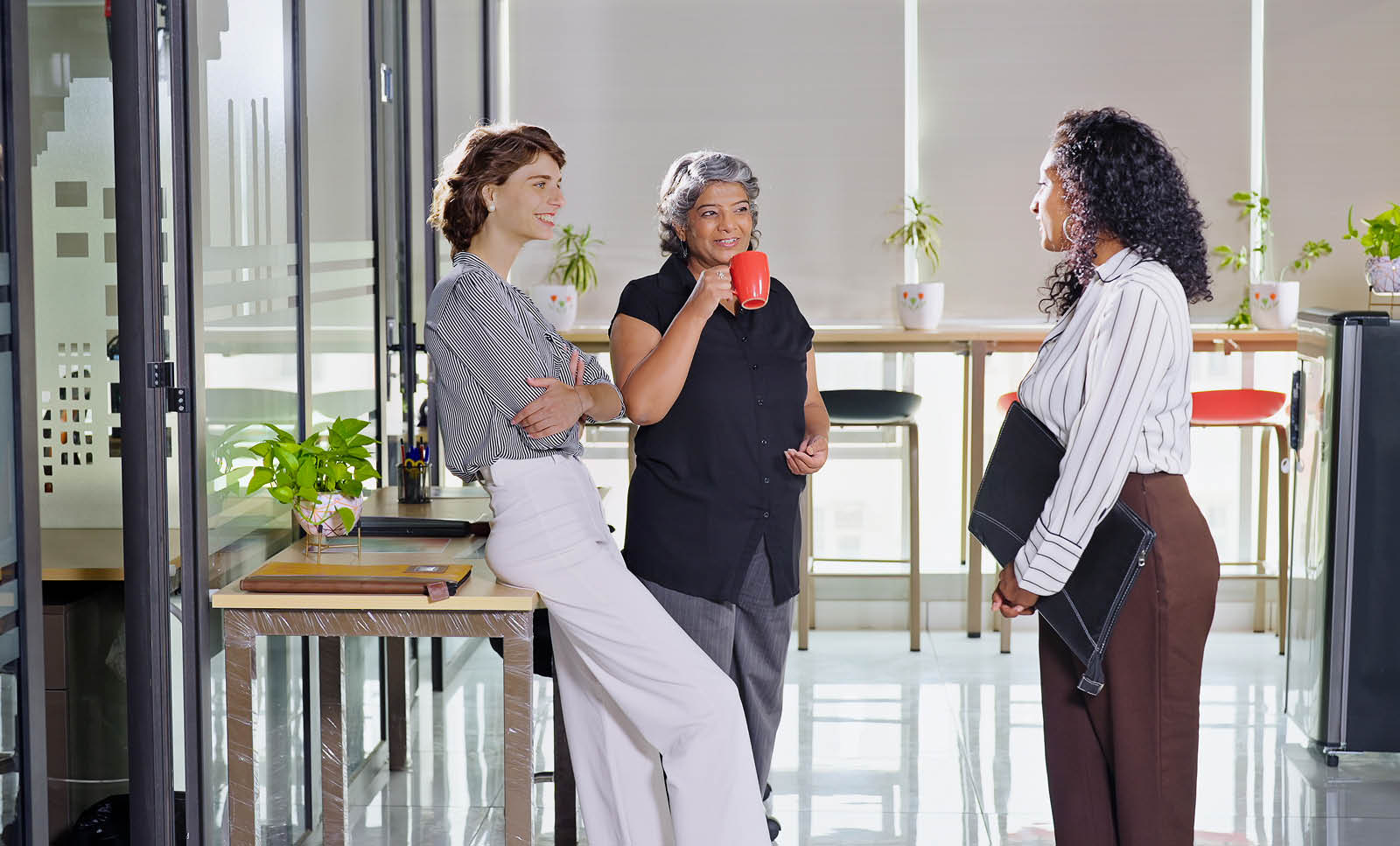
So, how do all of these generations relate to each other in our professional lives, and how can we understand each other better so we can be more effective? Understanding how each generation operates can help us as women advocate for ourselves and others more effectively in multi-generational workplaces.

In this part of the series, we will discuss how each generation has various trends in their professional lives. In part three, we’ll discuss how each generation views finances and what trends they have in managing them.
Baby Boomers (1946–64)
Though few Baby Boomers now occupy the workforce, their legacy still affects the present generations. They set a high standard of extreme loyalty to their workplace, switching jobs far less frequently than younger generations. This fostered a competitive and driven mindset, with many Boomers climbing the corporate ladder within a single organization over decades. While competitive, they remain highly team-spirited and work well on teams. (Purdue Global)
How to relate to Boomers in the workplace:
Having systems in place that help reward dedication and hard work is helpful. It is also beneficial for them to be in spaces where they can work collaboratively on teams, giving them a chance to compete in healthy ways that benefit the company.
Gen X (1965–80)
Similar to their Boomer predecessors, Gen X also values hard work and dedication. However, according to Iberdrola, their generation feels a stronger pull to individualism and independence. Unlike Boomers, Gen X prefers more flexibility and has introduced a better work-life balance, according to Johns Hopkins University.
How to relate to Gen X in the workplace:
Gen X may appreciate having space to have their opinions heard and personalities taken into consideration when given different roles, honoring that each person has different strengths and can thrive in them. They often value having input on big-picture decisions.
Millennial/Gen Y (1981–96)
The millennial generation, which will comprise the majority of our current workforce in 2025, is highly achievement-oriented but has brought an increasingly open-minded and emotionally aware perspective to the workforce. (Purdue Global) This generation also has a sense of competition, but tends to find it more personally motivating than working towards the achievement of the organization they work for.
How to relate to Millennials in the workforce:
While many millennials are open-minded and self-aware, they appreciate this in return as well. They appreciate spaces where they can express themselves openly and have a more casual environment.
Gen Z (1997–2012)
Gen Z, the youngest in the workforce, is so new that we are still learning key factors about them. What we do know is that they have a high distaste for anything that feels inauthentic, and they feel highly individualistic. This generation seems to have an entrepreneurial spirit, not fearing trailblazing new ways to do things with rising technology. With infinite information and connections in their hands, they often feel unstoppable in what they can accomplish, which can occasionally have a downside of burning out faster or being unfocused in their roles.
How to relate to Gen Z in the workforce:
Gen Z will appreciate as much honesty and authenticity as you can provide them. They’d usually rather accept hard truths than something that feels false. They will usually appreciate clear guidelines and expectations, while their individual goals and personalities are also considered.
Gen Alpha (2013-2024)
Gen Alpha remains mostly a mystery to us, as the oldest members of this generation are still in high school. We will be fascinated to understand, in the future workforce, how Gen Alpha has been affected by Covid-19 so early in their lives and a technology-filled childhood, including the rise of AI.

ABOUT THE AUTHOR
Naomi lives in Pittsburgh, PA but her roots are from a little Christmas tree farm in upstate New York. She works in marketing for Greater Europe Mission, an international nonprofit organization. She’s always finding ways to make room in her budget for traveling and reads over 100 books each year.